Homeowners in Seattle, WA face a unique mix of rain, salt air, shade, and seasonal debris. Asphalt shingles hold up well here, but they need steady care to reach a 20 to 30-year lifespan. Simple, safe habits prevent leaks, preserve curb appeal, and keep warranties intact. This article lays out clear steps for shingle roof maintenance in the Seattle area, with local cues on timing, tools, and when to bring in a pro from Atlas Roofing Services.
Why shingle roofs need special attention in Seattle
Moisture lingers longer in coastal air. Roofs stay damp under shade trees and on north-facing slopes. That sets the stage for moss, algae, and lichen. Winds push needles and leaves into valleys and behind chimneys. Winter storms stress seal strips. Spring pollen forms a film that feeds growth. The roof ages faster if grit washes off or water backs up in gutters. Regular cleaning and inspection address these risks early, which keeps repair costs small and extends service life.
Safe, effective cleaning without damaging shingles
Pressure washers strip granules from asphalt shingles and void many manufacturer warranties. A garden hose with a gentle spray is safer. For organic growth, a soft-wash approach works: low pressure water and an EPA-registered roof cleaner made for asphalt shingles. In Seattle, oxygen-based cleaners or quaternary ammonium compounds are common; bleach solutions can work but may harm landscaping and corrode metals if misused. Application matters more than muscle. Let the cleaner dwell per the label, then rinse gently from the top down to avoid lifting tabs.
A pro tip from field crews: clean on a cool, overcast day. Solutions dry evenly and won’t flash off. Use plastic sheeting on shrubs, then flood plants with water before and after cleaning to dilute runoff. Always protect downspouts that lead to rain gardens.
Moss control that holds through wet seasons
Moss roots lift shingle edges and create capillary leaks. The best control pairs removal with prevention. After a soft-wash, allow the roof to dry, then brush off dead moss with a soft broom. Do not pry with a scraper. Treat the area with a moss inhibitor approved for asphalt shingles. Zinc or copper strips near the ridge release ions each time it rains and help suppress new growth. In Ballard, Magnolia, and other neighborhoods with dense tree cover, these strips pay for themselves by reducing cleanings.
Expect some regrowth after a shingle roofers near me wet winter. A light retreat every 12 to 18 months usually keeps it in check. If moss returns thick within a season, shade or debris is the root cause, not cleaning method alone.
Gutter management in a city of trees
Gutters are part of shingle roof maintenance. Backed-up gutters soak roof edges and fascia, then ice up during cold snaps. In Seattle, cleaning two to four times a year is realistic, with the heaviest loads in late fall and after spring seed drop. Check hidden trouble spots: behind downspout elbows and inside internal miters. If ladders are not comfortable, schedule gutter service with a roof check to save a trip.
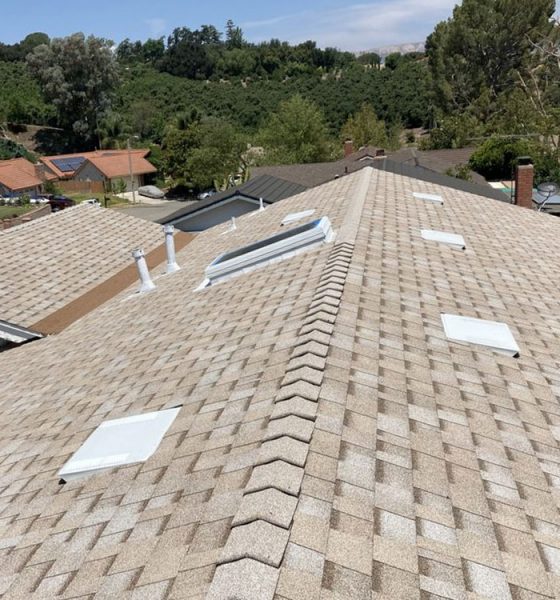
Screens and micro-mesh guards help, but they are not set-and-forget. Pine needles from Greenwood and Shoreline neighborhoods pierce mesh and form “roof beards” along the drip edge. Plan quick brush-offs a few times a year, or ask Atlas Roofing Services for options that match your tree mix.
Ventilation and attic health
A cool, dry attic protects shingles from the underside. Without balanced intake and exhaust, moisture builds under the roof deck, rotting sheathing and weakening fasteners. Simple checks during maintenance go a long way: confirm soffit vents are open, look for flattened insulation blocking airflow, and verify ridge or box vents are clear. In older Seattle homes with mixed insulation projects over the years, blocked soffits are common. Correcting airflow often stabilizes shingle temperature and slows granule loss.
Seasonal maintenance calendar for Seattle homes
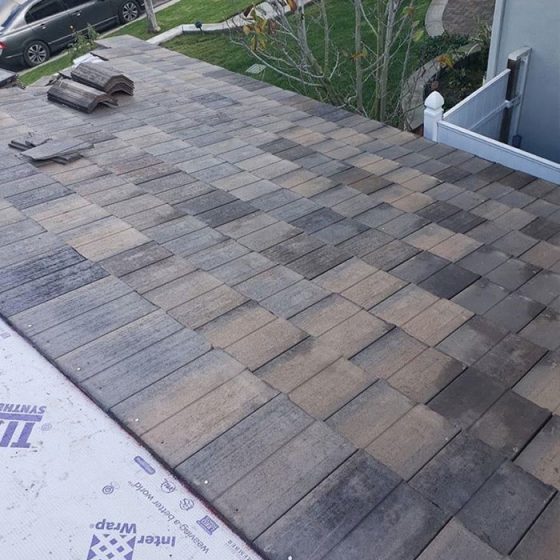
- Late winter to early spring: Inspect after storms. Look for lifted tabs, missing shingles, and loosened flashing. Clear branches and check gutters for granule buildup that signals wear. Late spring: Clean algae film and new moss before summer heat bakes it in. Verify attic ventilation ahead of warm days. Early fall: Perform a full roof and gutter clean before heavy rain returns. Trim branches that overhang the roof by at least 6 to 10 feet where possible. Late fall: Final gutter pass after leaf drop. Quick roof scan for wind damage.
Two lists are the limit, so the above serves as a simple seasonal guide. For homes near Green Lake or Ravenna with heavy maple and cedar debris, add a mid-fall check during the first big storm cycle.
Flashing, penetrations, and the small parts that leak
Most leaks start at details rather than the field of shingles. Pipe boots crack from UV exposure after 8 to 12 years. Step flashing can slip when siding settles. Counterflashing around chimneys may separate with mortar movement. During maintenance, look closely at these parts. If a pipe boot shows hairline cracks or feels brittle, budget for replacement before leaks spot the ceiling. Fresh sealant is not a permanent fix; it buys time only.
A real example from Queen Anne: a homeowner reported a ceiling stain after a calm rain. The shingles looked sound from the ground. On the roof, the pipe boot had a 1-inch split hidden on the uphill side. The repair took under an hour and cost far less than interior work. Details matter.
Stains, streaks, and what they mean
Black streaks are often blue-green algae, which is cosmetic but traps moisture. Brown rust near skylights hints at flashing corrosion. Tan lines around vents may be pollen tracks where water flows. Uniform granule loss is age; patchy loss around downspouts or valleys can point to diverted water wearing a path. Photographs over time help. If last year’s photo shows a clean field and this year shows bare spots, the issue is localized and fixable.
Choosing the right tools and safer work habits
Footing is everything on a damp roof. Soft-soled shoes with clean tread grip better than stiff work boots on asphalt. Use a roof harness and anchor point when slope exceeds 6:12 or the surface is wet. Avoid walking near ridge vents and skylight edges where shingle roof installation Seattle Atlas Roofing Services fasteners sit. A plastic scoop for gutters, a soft brush, a garden sprayer, and hose attachments cover most homeowner maintenance. Reserve ladders with standoff arms to avoid crushing gutters. If any step feels risky, let a trained crew handle it.
Warranty and insurance considerations
Manufacturer warranties often specify maintenance. They may forbid high-pressure washing, abrasive tools, and unapproved chemicals. Document cleanings with dates and photos. Insurance claims go smoother when there is a record of routine care. If a tree limb hits the roof during a Pineapple Express storm, those records show the damage was sudden, not neglect.
Signs it is time to call Atlas Roofing Services
Some jobs call for professional hands and a licensed, insured team:
- Widespread moss thicker than a quarter inch across multiple slopes Repeated leaks around chimneys, skylights, or valleys Granules filling gutters after moderate rain, suggesting advanced wear Soft decking underfoot or visible sagging Steep or multi-story access that increases fall risk
Atlas Roofing Services serves Seattle, WA neighborhoods from West Seattle to Wedgwood, with crews trained in safe soft-wash cleaning, shingle repairs, and detailed inspections. The team can bundle gutter service, minor tree limb trimming over the roof, and ventilation adjustments in one visit.
Budgeting smart: maintenance vs. early replacement
A typical asphalt shingle replacement in Seattle ranges widely based on size and slope, often moving from the high four figures into the low five figures. By contrast, an annual maintenance visit with cleaning, a handful of repairs, and a written condition report often lands in the low hundreds to low thousands depending on roof size and moss severity. Over a decade, those visits help delay replacement by several years, which frees budget for planned upgrades like Class 4 impact-rated shingles or added attic insulation that lowers energy bills.
Local quirks worth noting
Salt air from Elliott Bay increases corrosion risk on exposed metal. Use stainless or coated fasteners and check skylight and chimney flashings more often in coastal zones like Alki and Magnolia. Homes under Douglas firs collect acidic needles that hold moisture; they require more frequent gutter care than homes under maples. North-facing slopes in Fremont and Wallingford often show algae first, which makes them the best place to check during a quick walk-around.
How Atlas Roofing Services approaches shingle roof maintenance
The crew begins with a photo-documented inspection that covers shingles, flashings, vents, gutters, and attic intake and exhaust. They remove debris by hand, rinse with low pressure, and apply roof-safe cleaners. Minor repairs happen on the spot when approved. The team finishes with before-and-after photos and a clear report that prioritizes next steps by urgency. This process respects manufacturer guidelines and the climate realities of Seattle.
Ready for a clear, local plan?
A clean, sound shingle roof handles Seattle weather with less drama. Small maintenance steps prevent big repairs and extend lifespan. If the roof needs a careful soft-wash, a moss treatment that lasts through the wet season, or a detailed inspection after storms, Atlas Roofing Services is ready to help. Call to schedule a roof and gutter maintenance visit in Seattle, WA, or request an inspection online. A short visit now often saves a full replacement years earlier than necessary.
Atlas Roofing Services provides professional roofing solutions in Seattle, WA and throughout King County. Our team handles residential and commercial roof installations, repairs, and inspections using durable materials such as asphalt shingles, TPO, and torch-down systems. We focus on quality workmanship, clear communication, and long-lasting results. Fully licensed and insured, we offer dependable service and flexible financing options to fit your budget. Whether you need a small roof repair or a complete replacement, Atlas Roofing Services delivers reliable work you can trust. Call today to schedule your free estimate.
Atlas Roofing Services
Seattle, WA, USA
Phone: (425) 728-6634
Websites: https://atlasroofingwa.com | https://sites.google.com/view/roof-replacement-seattle/home
Social Media: Yelp
Map: View on Google Maps